

Foldable homes are a versatile and adaptable housing option that are uniquely suited to meet the needs of changing demographics. As the housing landscape shifts, with new generations entering the market and changing priorities among homebuyers, foldable homes are adapting to keep up with these changing demands.
One key demographic shift is the rise of single-person households. Foldable homes offer a compact and affordable option for those living alone, with many models designed specifically for single-person living. These homes often feature a minimalistic design, with efficient use of space to create a comfortable and functional living space.
Another important demographic shift is the aging population. Foldable homes can be designed to meet the specific needs of seniors, with features such as ramps, handrails, and wider doorways for wheelchair accessibility. These homes can also be constructed with aging-in-place design principles, allowing seniors to remain in their homes as they age and reducing the need for expensive renovations or assisted living facilities.
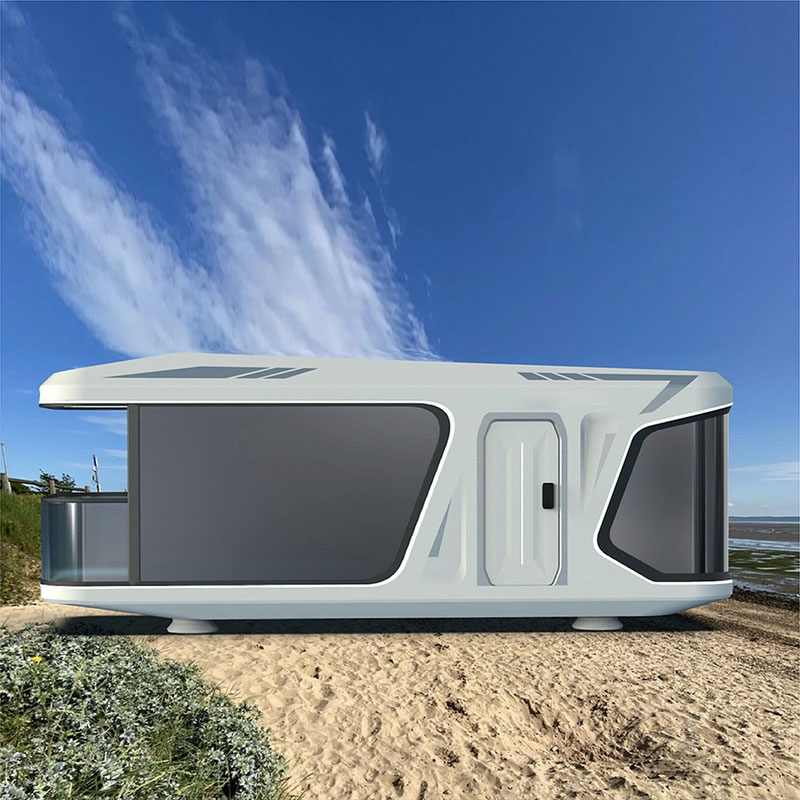



Foldable homes also offer a flexible and adaptable option for those with changing needs, such as growing families or those who frequently move for work. These homes can be expanded or contracted as needed, allowing homeowners to customize their living space based on their changing needs.
Furthermore, foldable homes offer an attractive option for those looking for an affordable housing option in high-cost areas. With many models designed to be energy-efficient and low-maintenance, foldable homes can provide an affordable solution to the growing housing crisis in many cities.
Overall, foldable homes are adapting to the changing housing landscape and meeting the needs of a diverse range of demographics. From single-person households to aging seniors and growing families, foldable homes offer a versatile and adaptable housing option that is well-suited to meet the needs of changing demographics in the 21st century.