
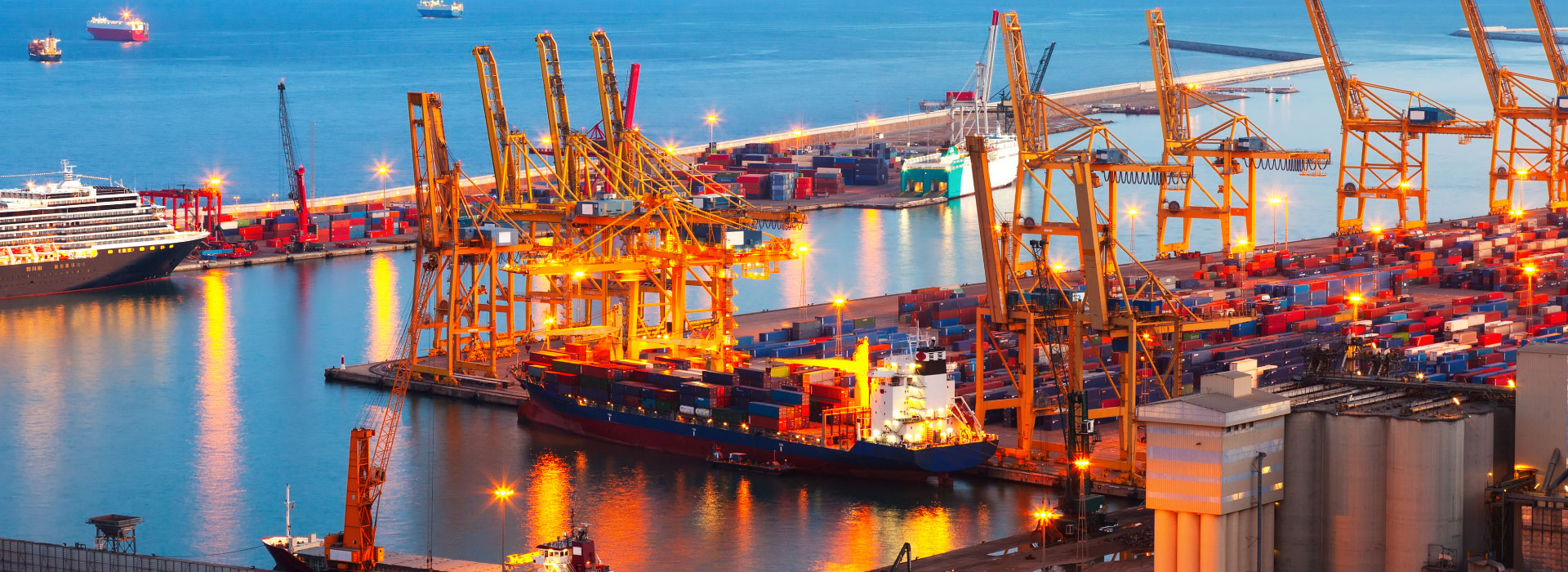
Foldable homes are shaking up the housing industry, challenging traditional notions of what a home should look like and how it should be built. With their unique design and quick installation, these homes are gaining traction among those looking for affordable, sustainable, and customizable housing options.
But why are foldable homes causing such a disruption in the housing industry? For one, they offer a solution to the increasing demand for affordable housing. With skyrocketing housing prices in many urban areas, foldable homes provide a more cost-effective alternative that is also highly customizable to suit the individual needs of homeowners.
Moreover, foldable homes are also more environmentally friendly than traditional homes. Many of these homes are built using eco-friendly materials and designed to be energy-efficient, which can lead to significant savings on utility bills over time. As a result, they are attracting a growing number of environmentally conscious buyers who are looking for sustainable housing options.
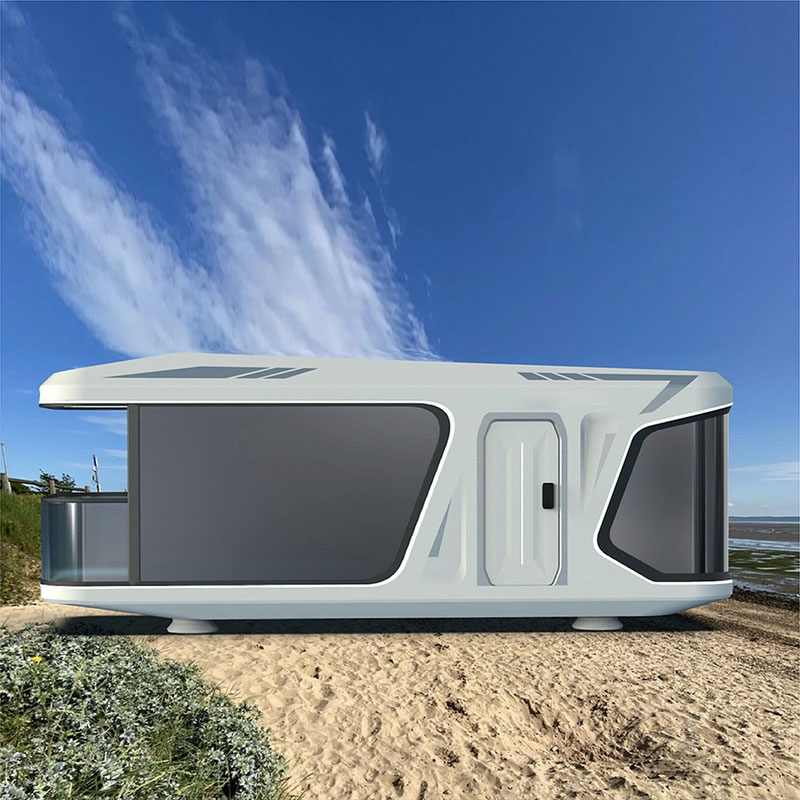

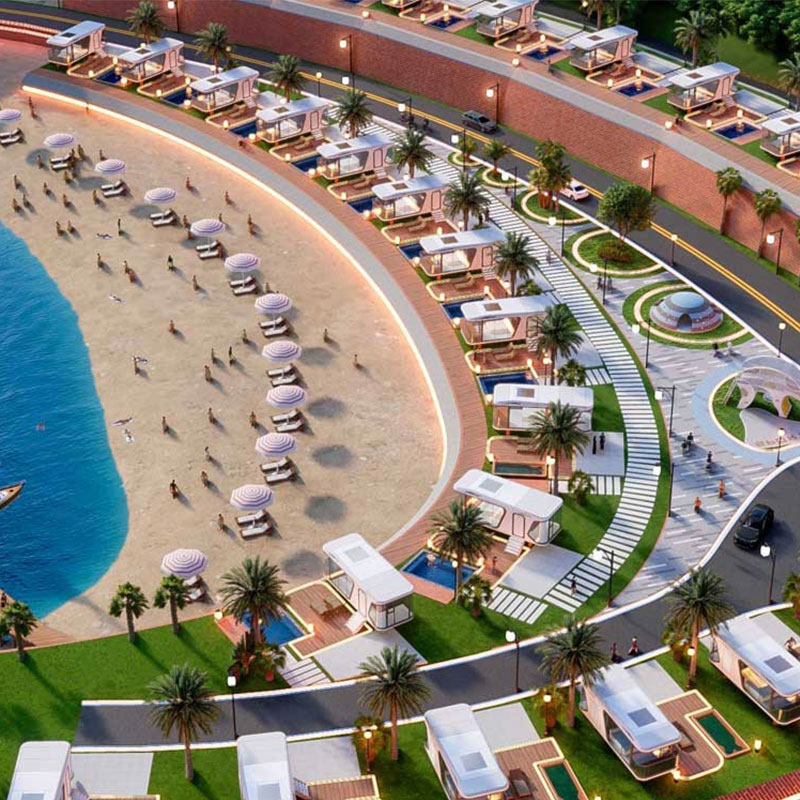
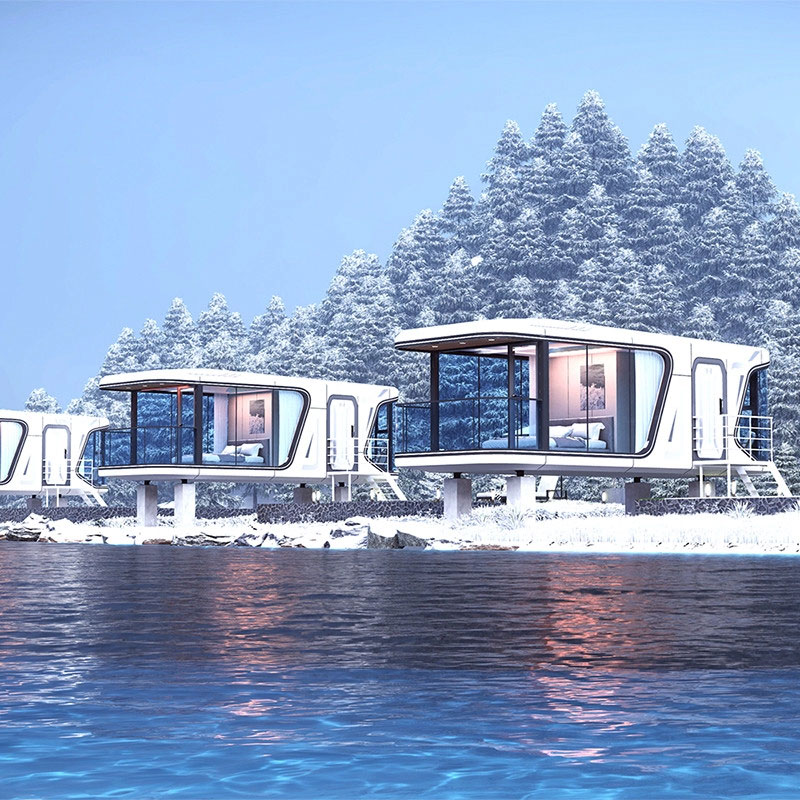
The quick assembly of foldable homes also makes them an attractive choice for those in need of emergency housing or disaster relief. These homes can be rapidly deployed and easily set up, providing a temporary solution for those displaced by natural disasters or other emergencies.
Despite their many advantages, foldable homes still face some challenges in the market. Many potential buyers are hesitant to invest in a home that doesn’t have the same level of durability as traditional homes. Additionally, some municipalities may have zoning restrictions that make it difficult to install foldable homes in certain areas.
Nonetheless, foldable homes are quickly gaining popularity and disrupting the traditional housing industry. With their unique design, affordability, and sustainability, they offer an exciting new option for those looking to build or buy a home. As the market for foldable homes continues to grow, we can expect to see even more innovation and competition in this space, challenging the status quo of the housing industry.