
INTRODUCTION:
Disasters and emergencies can strike at any time, leaving people without homes or shelter. In such situations, rapid deployment of housing solutions is critical to provide shelter and basic necessities to those affected. Foldable homes are a great option for disaster relief and emergency situations due to their rapid deployment capabilities. In this article, we will explore the benefits of folding homes for disaster relief and emergency situations.
QUICK INSTALLATION:
Foldable homes are designed to be quickly assembled and disassembled, which makes them ideal for emergency situations. In most cases, they can be installed in a matter of hours, providing immediate shelter to those in need. This rapid deployment is crucial in situations where time is of the essence, such as after a natural disaster or other emergency.
CUSTOMIZABLE DESIGN:
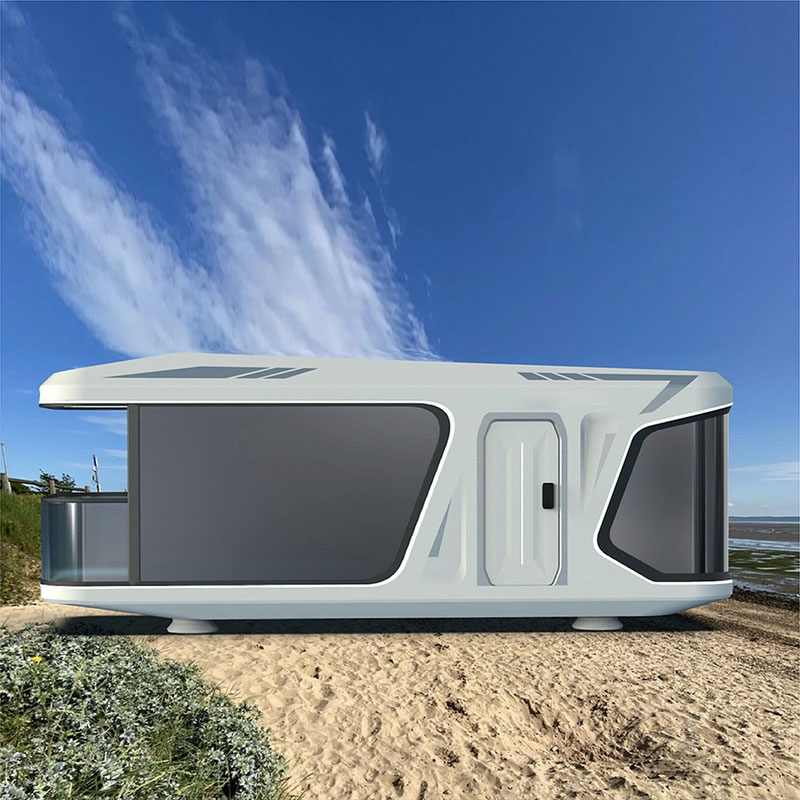
Folding homes offer a range of design options and customizable features, from the size and layout of the living space to the finish and style of the exterior. This means that they can be tailored to meet the specific needs of those affected by a disaster or emergency. For example, larger homes can be constructed to accommodate families, while smaller homes can be used for temporary shelter or as medical clinics.
PORTABILITY:
Folding homes are designed to be portable, which means that they can be easily moved from one location to another. This is particularly beneficial in situations where the disaster or emergency has caused widespread destruction and displacement of people. With portable housing solutions, affected individuals can be relocated to safer areas or temporary shelters, allowing them to recover from the disaster or emergency.



DURABILITY:
Folding homes are designed to be durable and weather-resistant, which makes them suitable for use in a wide range of environmental conditions. They can withstand harsh weather conditions such as hurricanes, tornadoes, and earthquakes, which are common in disaster-prone areas. This durability ensures that the homes provide long-term shelter for those affected, even in adverse conditions.
COST-EFFECTIVE:
Folding homes are a cost-effective solution for disaster relief and emergency situations. They are much cheaper to construct and install compared to traditional homes, which means that more people can be provided with shelter and basic necessities. This cost-effectiveness makes them a viable option for governments, NGOs, and other organizations involved in disaster relief efforts.
CONCLUSION:
In conclusion, foldable homes are a great option for disaster relief and emergency situations due to their rapid deployment capabilities, customizable design, portability, durability, and cost-effectiveness. They provide immediate shelter and basic necessities to those affected by disasters or emergencies, allowing them to recover and rebuild their lives. With their innovative and practical design, folding homes are an excellent example of how technology can be used to help people in times of crisis.